
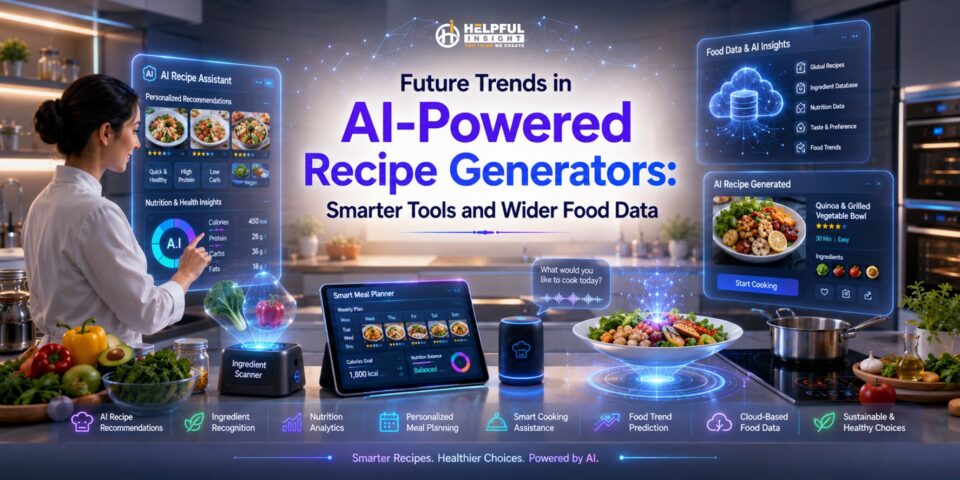
Now shaping how we eat, artificial intelligence quietly enters kitchens worldwide. Instead of guesswork, AI-powered recipe generators suggest meals based on what you like, need, or already have at home. One moment it’s a list of ingredients; the next, a tailored dish appears. Driven by deeper learning models, these tools adapt quickly to allergies, health goals, and even pantry gaps. With steady backing from tech investments, kitchen innovation keeps evolving — less sci-fi, more daily help.
The Rise of AI in Creating Recipes
Home cooks, eateries, workout-focused people, and meal-shipping services now turn more often to smart tools that craft cooking ideas. Learning from choices over time, these programs tap into pattern-spotting techniques alongside text interpretation methods. Preference patterns guide suggestions, shaping meals aligned with flavor likes and wellness targets.
Some meal suggestion tools today adjust ideas based on calories, food sensitivities, local flavors, or how experienced a cook someone is. Because people want these features more often, tech firms are putting larger amounts of funding into AI development services that sharpen recipe personalization.
Custom Cooking Shapes Future Food Experiences
Looking ahead, personalization stands out as a major shift in AI-powered recipe generators. These systems could soon study how people eat, what they buy, their activity levels from wearables, and even medical insights — then suggest meals shaped by such details. Each plan might reflect one person’s real-life patterns instead of generic advice. What gets recommended may depend on daily behaviors, not just preferences. Over time, eating suggestions might adapt quietly, learning without being told.
Picture this: recipe suggestions shaped by health needs like diabetes, high blood pressure, or gluten issues could come from smart systems very soon. Instead of guesswork, these picks might rely on learning algorithms that adjust instantly — offering meals tuned to well-being as situations change.
With these tools, eating well becomes simpler even for those unfamiliar with nutrition science. A shift toward smarter choices happens quietly behind the scenes.
Smart Kitchen and IoT Device Integration
Connected kitchens shape how artificial intelligence handles meal planning. When recipes come from intelligent systems, they work alongside internet-connected tools — fridges that track ingredients, ovens adjusting heat on their own, helpers responding to spoken cues.
A fridge could notice what’s inside, then send details straight to a system crafting meals on the spot. Cooking steps shaped by artificial intelligence might guide an oven to tweak heat levels, timing shifting without human input. Meal ideas appear fast, built only from what sits in storage. Instructions flow directly into appliances able to respond mid-process. Temperature changes happen quietly, driven by an analysis of the ingredients present.
When companies aim to design sophisticated systems, they often turn to Artificial Intelligence development services. These tools help craft adaptable food tech platforms that manage live automation tasks efficiently. Building such networks requires smart infrastructure. Growth depends on responsiveness under constant operational pressure.
Voice Cooking Helpers with Conversational Smarts
Tomorrow’s recipe tools might speak back. These helpers could understand questions better, responding naturally during cooking. A voice might guide each step without needing taps or swipes. Interaction may feel less like programming, more like chatting. Guidance can come mid-task, adjusting as mistakes happen. Such systems may listen, learn, then offer what comes next. Conversations replace menus. The kitchen becomes quieter, yet full of quiet prompts. Responses arrive just when needed. Following recipe changes from reading to listening. Assistance flows without buttons. Instructions adapt on the fly. Help speaks up before being asked.
One moment, someone might be flipping through a cookbook; the next, they’re speaking aloud to a device that responds like a quiet helper. Voice tools take questions about meals, swaps, or steps — then reply without stiffness. These answers sound human, almost conversational. As a dish unfolds on the stove, the system tweaks directions in real time. Adjustments happen quietly, matching how things actually go in the kitchen.
Building future cooking helpers pushes firms to hire dedicated developers skilled in machine learning and natural language processing, because seamless conversation design demands precision. These teams shape how users engage through voice or text interactions since responsiveness affects satisfaction directly. Expertise in conversational AI becomes essential when crafting fluid dialogue systems that feel intuitive rather than robotic during kitchen tasks.
Smart Tools Help Cut Waste and Support Earth-Friendly Practices
One shift gaining attention involves AI development solutions helping cut down on wasted food while encouraging more responsible meal preparation. Coming systems might propose dishes based on what remains in your kitchen, prioritizing items close to spoiling.
Starting with meals, some artificial intelligence tools suggest dishes that are easier on the planet by checking emissions data along with ingredient origins. These choices can guide homes and eateries toward using food more wisely instead of letting it go unused.
Some groups now fund custom AI development services, using meal data analysis alongside forecasting models instead of generic tools. These setups often include automated processes to support eco-conscious decision-making within digital frameworks.
Advanced Nutritional Intelligence
One step ahead, future AI-powered recipe generators won’t just count calories. Instead of stopping at basics, they’ll track vitamins down to the micronutrient level. Hydration tips might appear alongside each meal suggestion. Personalized plans could adjust daily based on how your body responds. Nutritional depth becomes standard, moving past numbers into real-time wellness support.
From smartwatches to mobile health tools, artificial intelligence could pull live body metrics to shape personalized food choices on the fly. While runners and gym regulars gain tailored nutrition guidance, doctors might also rely more heavily on such insights over time. Instead of generic advice, responses adjust moment by moment — driven by what the body shows. Even so, usefulness grows only when accuracy stays high across different users and conditions.
Healthcare blending with food pushes new needs for steady AI development solutions in wellness and diet spaces. While tech adapts, interest grows behind stable systems that handle complex health data. A shift in how people eat is tied to smarter software support. Where meals meet medicine, better coding becomes essential. Solutions now evolve where daily habits create new needs for reliable AI development solutions in joint clinical insight. Behind every meal plan, algorithms adjust silently. Growth here stems not just from labs but from everyday choices amplified by digital help.
Global Cooking Ideas Made by AI
Expectations point to AI development solutions reshaping how people experiment with flavors through blending global cuisines. Unique dish ideas could emerge — concepts a chef might overlook — by merging culinary traditions in new ways.
From diner chains to packaged goods makers, artificial intelligence opens doors to testing fresh dishes without long delays. Instead of waiting months, flavor pairings get refined through pattern recognition in consumer choices. Trends begin showing up earlier when data flows continuously from digital orders and reviews. Machine learning detects shifts before they hit mainstream reports. Speed matters where tastes change quickly across regions. Insights arrive not just faster but more precisely tuned to local habits.
With sharper rivalry across food tech, firms keep turning to Artificial Intelligence development solutions — not just for novelty, but to refine how people interact with their products. Progress now hinges less on size, more on responsiveness shaped by smart systems. Companies partnering with a reputable AI development company gain access to specialized teams that design scalable platforms built for real-world kitchen environments.
Conclusion: The Road Ahead for AI-Powered Recipe Generators
One step ahead, AI-powered recipe generators are evolving fast. Personalized meal plans now adjust to health needs — while linking with kitchen gadgets seamlessly. Voice helpers guide cooking hands-free, making daily meals simpler. Sustainability gains ground as these systems cut waste intelligently. How we cook — and eat — is shifting quietly but deeply.
Tomorrow’s cooking tools will learn quicker and respond better, because artificial intelligence keeps advancing. Those who back smart kitchen systems — especially through Artificial Intelligence development solutions — may shape how meals are created and shared worldwide in the years ahead. Businesses ready to invest in AI development services today will lead the next chapter of food technology
